
Landlord EICR preparation guide
A practical checklist for arranging an electrical installation condition report at a rented property.
Start with the property and access
An EICR is an inspection and test of the fixed electrical installation, so the person carrying it out needs accurate property details and practical access. Before booking, confirm:
- The full property address and whether it is occupied.
- How the electrician will enter and who will be present.
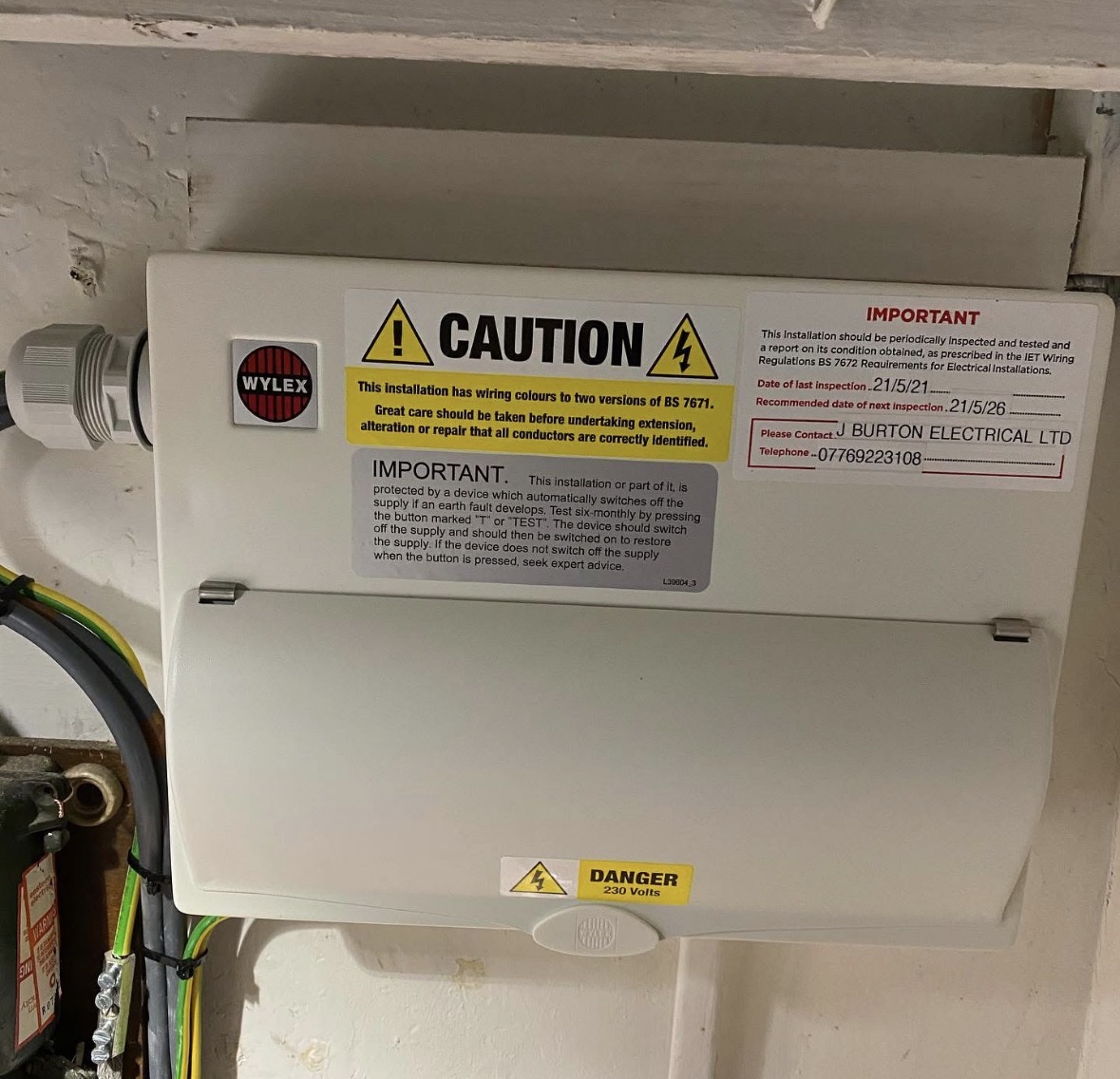
- Where the consumer unit is located.
- Whether locked rooms, outbuildings or cupboards contain electrical equipment that needs to be reached.
- Whether tenants need advance notice or a specific appointment window.
Do not promise access to a part of the installation that cannot safely be reached. If access is restricted, mention it when arranging the visit so the scope can be discussed clearly.
Gather the paperwork you already have
Keep previous EICRs, electrical installation certificates and records of relevant remedial work together. They can give useful background and help the electrician understand alterations that may not be obvious during a first visit.
Paperwork is context, not a replacement for the current inspection. A report from a previous date describes the installation when it was inspected then. If the property has changed or there are new concerns, ask what current check is appropriate.
Tell the tenant what to expect
If the property is occupied, explain that the visit concerns the fixed electrical installation and agree how access will work. Ask tenants to mention repeated tripping, dead sockets, flickering lights, damaged accessories or other electrical concerns before the inspection starts.
Tenants should not remove covers, reset a repeatedly tripping circuit or try to investigate exposed wiring. A visible fault should be left alone and reported so it can be assessed safely.
Understand the report and the follow-up
Government guidance for the electrical safety standards in England’s private and social rented sectors says landlords should obtain an electrical safety report, usually an EICR, and keep the relevant report and follow-up records. The current GOV.UK guidance explains the duties and the documents that may need to be provided.
An EICR does not mean every installation receives the same result. Read the observations and recommendations, ask which items need attention and keep evidence of any remedial work. Do not describe a report as satisfactory, compliant or complete until the actual report and any required follow-up have been reviewed.
Details to include in a quote request
For a more useful conversation, include:
- The property area and type.
- Whether it is occupied and how access will be arranged.
- Why the EICR is needed and whether there is a target date.
- The number of rooms or any areas that may need special access.
- Any previous report, recent electrical work or known fault.
- Safe photos of the consumer unit or visible issue, if available.
J Burton Electrical covers domestic EICR enquiries across Romford, Essex and East London. Call 07769223108 or email jburton486@hotmail.co.uk for a free quotation. This page is general information, not legal advice; check the current rules for the property and tenancy.
Frequently asked questions
What should a landlord have ready before an EICR?
Have the property address, access arrangements, any previous EICRs or electrical certificates and details of known electrical problems ready. Make sure the electrician can reach the relevant parts of the installation.
Does an EICR guarantee that no future electrical fault will occur?
No. An EICR reports the condition found during the inspection and test. It is not a promise that an installation cannot develop a fault later.
What happens if an EICR identifies remedial work?
Read the observations and recommendations carefully, ask what needs doing and keep the follow-up paperwork. The required action and timescale depend on the report and the applicable rules.